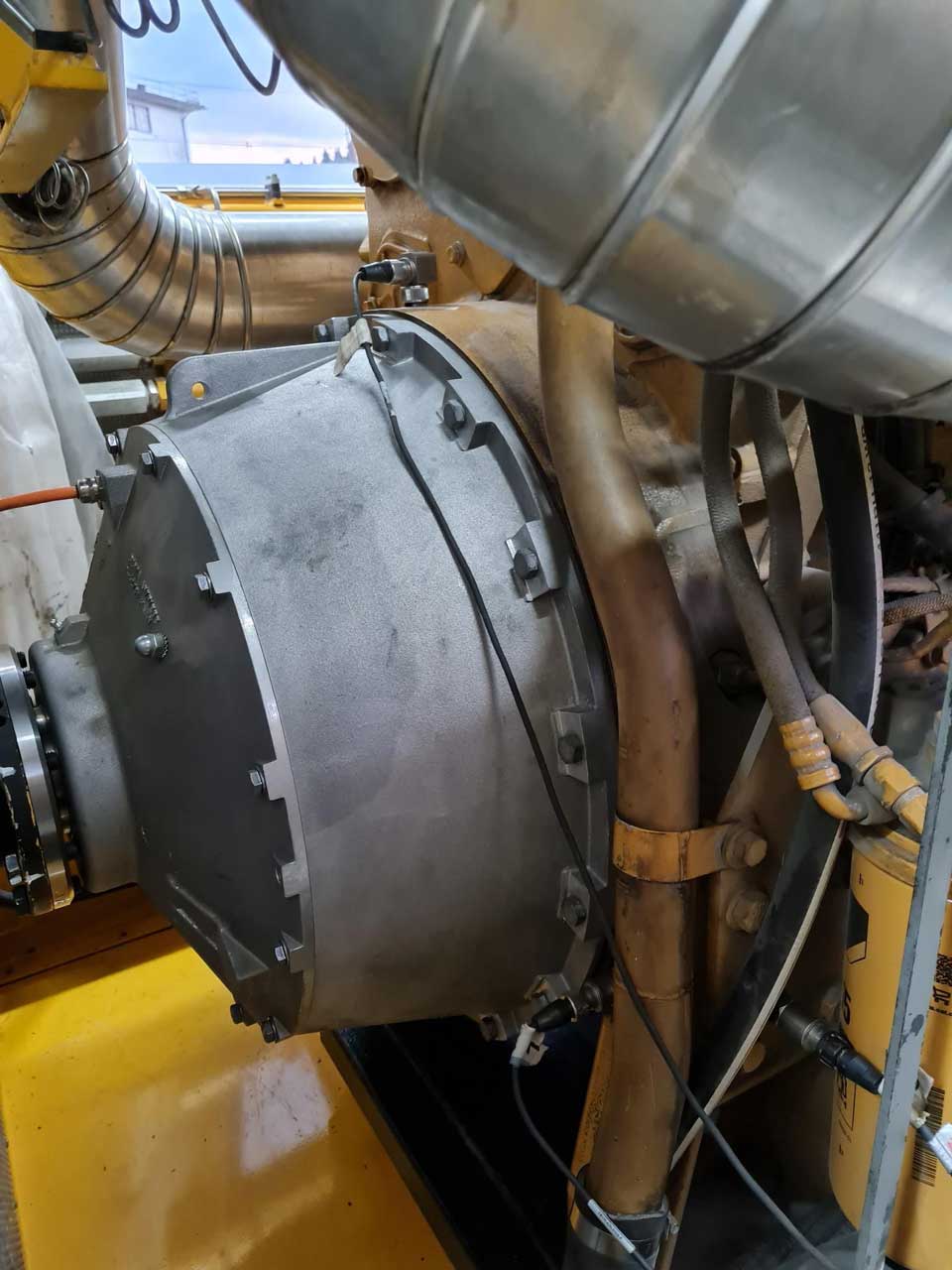
Design and selection of clutches

In the previous blog posts, we have dealt with the individual parts of powertrains. Among our topics were design and maintenance of drive shafts, efficient maintenance of gearboxes and monitoring of powertrains in general.

The topic of this blog post is another important component: the clutch.

Auslegung und Auswahl von Kupplungen

Clutches function as the combining element of two drive shafts, they are an integral component of the powertrain and aside from transmitting power, they also provide protection from increased torque. Depending on the application, a distinction is drawn between torsionally elastic and torsionally rigid clutches.

In order for a clutch to have a long life-span without too much maintenance effort and malfunctions, the following criteria are important when designing and choosing a suitable clutch for your machines:

Maximum torque

When designing a torsionally elastic clutch, the maximum drive torque is one of the most crucial features. It defines the maximum power which can and shall be transmitted during operation. Consequently, a torque measurement is recommended, especially in case of a clutch malfunction. This helps to identify the maximum torque and design the spare parts according to the requirements of your operation.

Stiffness

Stiffness of the material is another crucial feature of a clutch and determines the clutch’s resistance against deformation. It depends not only on the material itself, but also on the shape and size of the cross-sectional area designed to absorb the occurring force.

Damping characteristics

Vibrations in a powertrain occur regularly, but are somewhat of a challenge. They lead to defects which are detected fairly late because their destructive force developes slowly over time. Off-Highway Powertrain Services recommends a vibration measurement on your powertrain or motor to get to the bottom of this problem and try to eliminate it as much as possible. During operation, periodical vibrations may also occur, becoming stronger over time and causing a kind of cascading “build-up”. This happens especially in diesel motors due to the stroke movement of the cylinder which transmits power to the crankshaft irregularly, causing natural vibrations.

This presents a challenge for the clutch because it has to dampen and absorb those vibrations. The damping characteristics of a clutch depends essentially on the material it is made of.

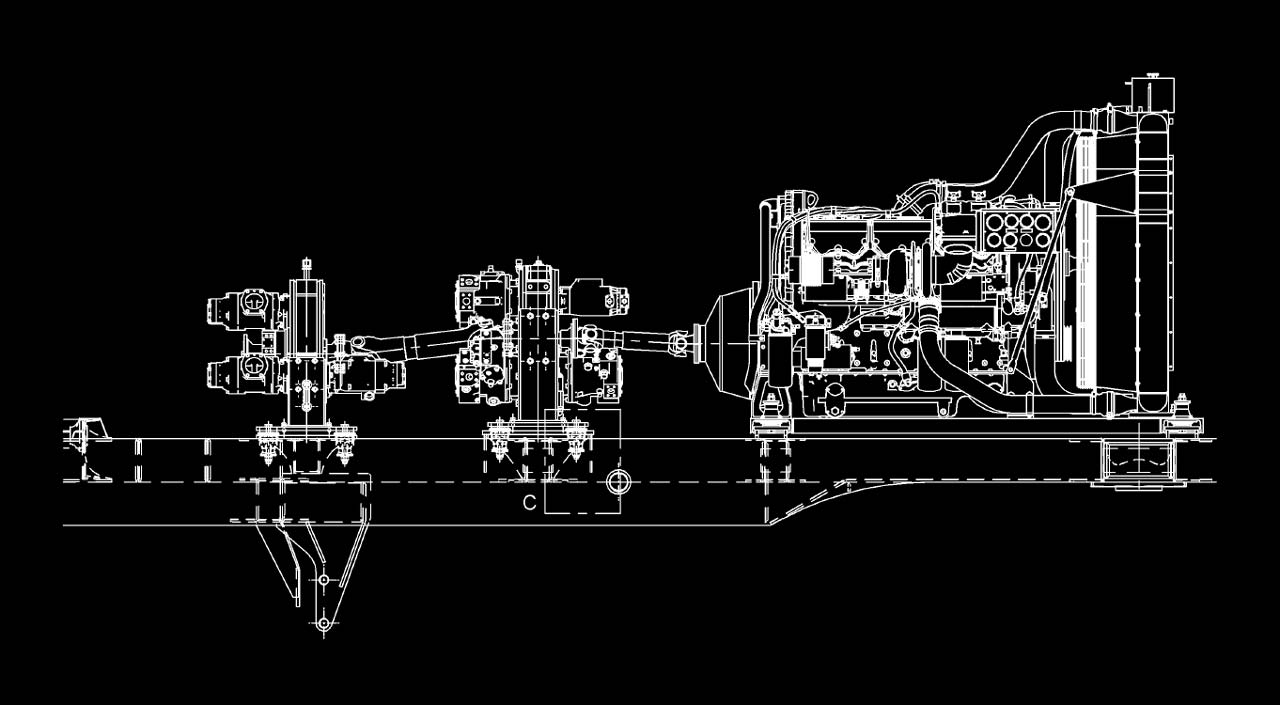
Auswahl von Kupplungen

Environmental conditions and temperature

Environmental conditions like humidity or heat influence the robustness of a clutch very profoundly. Humidity leads to corrosion and increased temperatures impair the clutch’s mechanical stability, leading to increased wear of clutch linings and in many cases, premature or unplanned failure.

DIN 740 Part 2

All of the above-mentioned factors which influence the robustness of clutch are defined in the DIN 740 Part 2 policy, including calculations and defaults. They should be the basis for all clutch designs.

In general, all components should be coordinated to to complement each other. Only when all components work together in an ideal way, vibrations due to misalignment or damage due to excess load can be avoided. This ensures a reliable, safe and efficient operation of your machines.